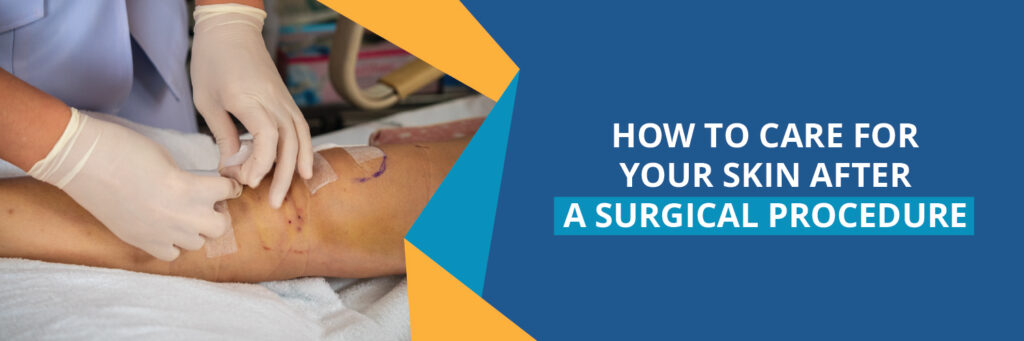
Healing from surgery extends beyond the procedure itself. One of the most important—and frequently ignored—parts of recovery is skin care. Whether you’ve had a minor cosmetic procedure or major surgery, your skin will need some extra care to heal, reduce scarring, and restore its balance.
Follow Your Surgeon’s Post-Operative Instructions
Your doctor is the expert in determining the best course of action for your specific surgical procedure and skin type. These instructions may include how to clean the incision site, what ointments to use, and when you can start using skincare or cosmetic products again. It is vital to know that you should not replace your doctor’s recommendations with anything from your home remedy kit or general drug store products unless specifically approved by your doctor. Following the proper post-surgical guidelines provided to you by your surgeon will ensure appropriate healing of the wound, minimize the risk of infection, and lessen the risk of complications that could prolong your recovery or worsen the scarring.
Keep the Surgical Area Clean and Moisturized
Clean the area carefully as directed, usually with mild soap and sterile water or saline solution. Don’t scrub or rub, as this may damage new tissue. After the area is cleaned, maintaining adequate moisturization helps the skin to remain elastic and minimizes the appearance of scars. A fragrance-free, hypoallergenic, and non-comedogenic moisturizer is advisable unless some sort of healing ointment is prescribed, as proper hydration helps maintain the skin barrier function and improves its repairability. Additionally, clean, hydrated skin is more resilient to tightness, dryness, and irritation during the healing process.
Protect Healing Skin from the Sun
Sun exposure is likely one of the biggest enemies to healing skin. If you do go outside, wear clothing that ensures your surgical area is covered and apply a broad-spectrum sunscreen with an SPF of at least 30 to protect the area from sun damage (unless otherwise specified by your surgeon). Wide-brimmed hats or parasols are advisable for facial surgeries. In general, and ideally, try to avoid direct sun exposure for a few months after your surgery. Shielding your healing skin from UV damage will ensure scars stay lighter, and your overall complexion stays even.
Avoid Picking, Scratching, or Touching the Area
It can be hard not to mess with your healing skin, especially if you’re itchy or beginning to flake. But you’re at risk of infection and disruption of healing by picking at a scab or peeling skin, which can lead to permanent scarring. Allow your body to heal itself. If the itching becomes too much, consult with your doctor about topical creams or antihistamine options to try. Keep your hands extra clean, and avoid touching the surgical area if at all possible to minimize the chance of bacteria residing on your skin. Practicing this restraint will preserve the integrity of your healing tissue and promote a smoother, nicer outcome once the area has fully healed.
Stay Hydrated and Maintain a Balanced Diet
Healthy skin healing starts from within. Drink lots of water to keep skin hydrated and increase skin elasticity, and to rid your body of toxins that can impede healing. A nutrient-rich diet with vitamins A, C, and E, zinc, and protein promotes healing by providing the building blocks the body needs to help heal damaged tissue. Examples of excellent foods to eat include leafy greens, citrus fruits, nuts, and lean protein. Try to avoid excess sugar, alcohol, and processed foods that can create inflammation and slow wound healing. Nourishing your body correctly while you heal will provide your body with a quicker healing process and glowing skin after surgery.
The Finale
After surgery, caring for your skin properly will help you heal. In addition to following your surgeon’s instructions, you want to keep the area clean and protected and help your skin by staying hydrated, eating and sleeping well, and practicing a gentle skin care regimen to promote healing and help to minimize scarring. By being patient, staying on a consistent doctor-approved skincare routine, and allowing the skin to heal properly, your skin will heal well, have limited scarring, and have lasting effects that reflect your overall wellness and care for yourself. Don’t forget, recovery is not just physical; this is also a time for you to reconnect with your body and consider the healing process. With time, consistency, and care for your skin, it will bounce back to strength and brightness, and you will be able to move forward with a new sense of confidence and comfort.