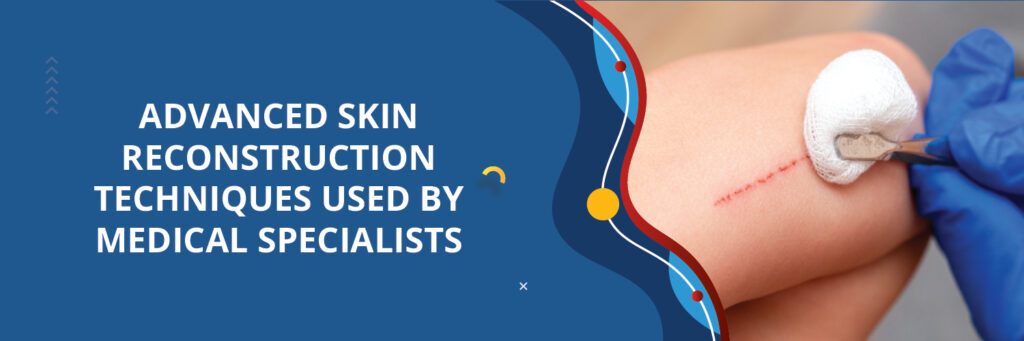
Dermal reconstructive surgery has developed notably over the past few years, offering patients services that regain both appearance and functionality. Healthcare professionals in dermatology, plastic surgery as well and reconstructive surgery are at the forefront of these innovations, merging surgical skill with creative tactics to reach optimal results. Regardless of whether addressing inborn defects, traumatic harm, thermal injuries or post-cancer resections, these professionals include a wide collection of updated techniques to make sure the patients restore both assurance and physical functionality.
Understanding Skin Reconstructive Surgery
Skin reconstructive surgery is a focused branch of healthcare practice that specializes in restoring and repairing damaged skin. Unlike aesthetic process, which mainly aims to develop appearance, reconstruction surgery deals with structural and practical impairments. The complication of the process is based on the characteristics of the skin harm, its place as well as the patient’s entire wellness. Professionals mindfully check these considerations before suggesting the most appropriate surgical procedure. With continuous research as well as technical developments, skin reconstruction surgery has become more accurate, minimally invasive and proactive in developing natural-looking outcomes.
Traditional Techniques and Their Evolution
Traditionally, skin reconstruction relied greatly on skin transplantation and regional flap tactics. Skin transplants include grafting healthy skin from one section of the body to another, while skin flaps utilize nearby tissue to cover an injury wound while upkeeping its blood circulation. These conventional approaches laid the basis for contemporary reconstruction surgery. As time goes on medical professionals have developed these tactics, developing success rates and decreasing scarring. Updated surgical planning, micro precision surgery, and the use of naturally compatible resources have changed what was once a testing process into a highly consistent treatment choice.
Microsurgery and Tissue Engineering
Among the most notable innovations in skin reconstruction surgery is the incorporation of micro incision surgery and tissue engineering. Microsurgery lets surgeons reattach tiny blood vessels and neural tissues, making sure that the transferred tissue endures and performs correctly. Tissue building, on the flip side, includes cultivating skin in research labs, utilizing the patient’s own cells. This technique decreases the risk of rejection and promotes faster healing. In combination, these creativities have enabled professionals to perform complicated rebuilding of comprehensive burn places or rebuilding facial characteristics after severe injury, with notable accuracy.
Laser Therapy and Scar Management
Laser-based technology has become a critical tool in contemporary skin rebuilding surgery. After a surgical process, patients always undergo the setback of scars, which can be both functional and psychologically distressing. Medical professionals utilizes laser therapy to develop scar texture, shade and adaptability. Fractional lasers, for example, target injured skin while sparing nearby tissue, motivating organic cellular renewal. Additionally, aesthetic developments, lasers also help practical healing by decreasing contractures and tightness in places impacted by detailed scarring. This integration of surgical restoration and postoperative laser treatment has transformed patient results.
Fat Grafting and Regenerative Techniques
Fat grafting is another creative approach developingly utilized in skin rebuilding surgery. By harvesting fat from one section of the patient’s body as well as moving it to another, surgeons can regain volume, develop form, and develop the entire look of restored areas. Further than cosmetic gains, fat tissue has stem tissue cells that develop tissue rebuilding and develop skin standard. Reconstructive tactics, involving platelet-rich plasma and stem cell-related rebuilding, are now being combined into standard rebuilding rules, further developing recovery and results.
The Role of 3D Imaging and Surgical Planning
Technological updates have also changed how professionals plan and perform skin rebuilding surgery. Three-dimensional imaging lets surgeons imagine defects and replicate surgical results prior to making any incisions. This accurate planning minimizes complications, decreases the requirement for added surgeries, and makes sure that practical and aesthetic objectives are attained. Personalized implants and patient based surgical helps have become type machines in complicated rebuilding, specifically in face-related and cranial procedures. By merging precision planning with updated surgical tactics, professionals can reach outcomes that were once deemed impossible.
Patient-Centered Approaches and Recovery
Effective skin rebuilding surgery counts not just on surgical skill but also on patient-focused attention. Specialists collaborate with patients to know their objectives, supervise predictions, and develop individualized healing plans. Post-surgical care always involves therapy, scar control as well as counseling to solve psychological impacts. Contemporary healing rules focus on decreasing pain, decreasing the risk of infection, as well and promoting rapid recovery. By choosing the patient’s entire wellness, medical professionals make sure that skin rebuilding surgery offers practical rebuilding and mental happiness.
Healthcare professionals merge conventional tactics with ideal innovations like precision surgery, tissue building, laser treatment, as well and restorative approaches to reach remarkable results.