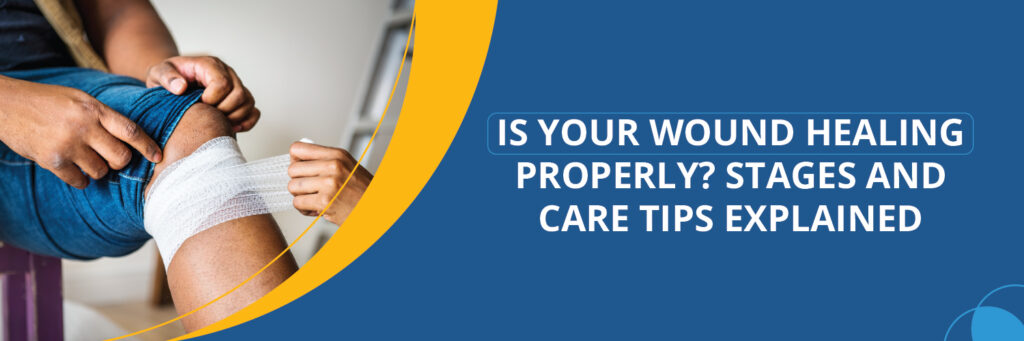
Daily life is filled with injuries, which include everything from minor cuts to more serious injuries like surgery, sports accidents, and falls. Since most wounds will heal on their own, it is important to know what kind of care to provide and what to expect from your wound healing process to ensure an adequate recovery. A lot of people don’t recognize the signs and symptoms of early wound infection or prolonged wound healing, which can result in more serious health problems later. Understanding the stages of wound healing and providing aid during the wound healing process can help your wound heal faster and improve your wound healing outcomes.
Stage 1: Hemostasis – Stopping the Bleeding
This first phase is called hemostasis. At this phase, the body responds rapidly by constricting blood vessels and creating blood clots to halt bleeding at the site of injury. Platelets converge on the wound area to form a bandage around the wound site.
Hemostasis is an essential first step to prevent loss of blood and also to prevent infection from bacteria entering an unprotected area of skin. If the individual can apply gentle pressure to the wound using a clean cloth or gauze when bleeding occurs, this may help stop or reduce the flow of blood. If the wound is cleaned immediately after the injury, this will also decrease the likelihood of infection developing later in the healing process.
Stage 2: Inflammation – Protecting Against Infection
While the body is working on a wound, it will begin sending white blood cells to the site of the wound to destroy any bacteria and to remove dead tissue. It is not unusual to see some redness, heat, swelling, and tenderness in and around the area of the wound while the body is sending white blood cells to the area.
Even though inflammation may seem to be a bothersome occurrence, it is simply part of your body’s natural response to helping you heal. On the other hand, if you have increased swelling, pus, an offensive smell, and/or an increase in the amount of pain, it is an indication that an infection may be developing as opposed to just normal inflammation. Proper cleaning and dressing changes to wounds that are in the inflammation stage are particularly important because they help to protect the wound and support a proper healing process.
Stage 3: Proliferation – Building New Tissue
In the proliferation stage, we begin to grow new skin and other damaged tissues. New blood vessels are formed, and we are producing large amounts of collagen, which helps to fill in our wounds. The proliferation stage can last up to several weeks, depending on the seriousness of your injury, so it is important to know when to use moist wound healing, which generally results in better healing time than letting a wound dry out. Using dressings that your physician suggests, as well as keeping the area clean, is important in promoting the growth of healthy tissue and also preventing scarring.
Both nutrition and hydration contribute greatly to the healing process during this stage, as foods containing protein, vitamin C, zinc, and iron will help your body repair damaged tissue. Getting enough fluids and getting proper rest can also help with the healing phase.
Stage 4: Maturation – Strengthening the Skin
Newly formed tissue will continue to strengthen and become more elastic throughout this stage. When collagen fibers re-align, the scar will gradually become less visible. This stage of healing can last from months to even years post-closure.
Although the outside layer of skin may appear to be fully healed, underneath the surface, it may still have a fragile layer of skin. It is necessary to protect this area by not putting excessive pressure on it, exposing it to direct sunlight, or being injured again. While some scars will remain permanent, with proper care, they can be made visually less prominent and contribute to the overall appearance of the skin.
Quick Recap
Wound healing stages can help you understand if the healing process is going normally, needs medical intervention, or how far along the healing process you are in a normal healing cycle. Three major stages occur during the healing stages: bleeding stops, then the body rebuilds stronger skin. Each stage is important for both protecting your body and regenerating tissue that has been damaged. If you closely monitor wound care, hygiene, nutrition, and warning signs correctly, your healing outcome will have a significant difference from if you did not take appropriate steps. Taking correct preventative steps to keep your wound care, seeking the advice of a health professional when necessary, and doing all of the above means you’ll have a safe, effective, and healthy healing process for your wound.