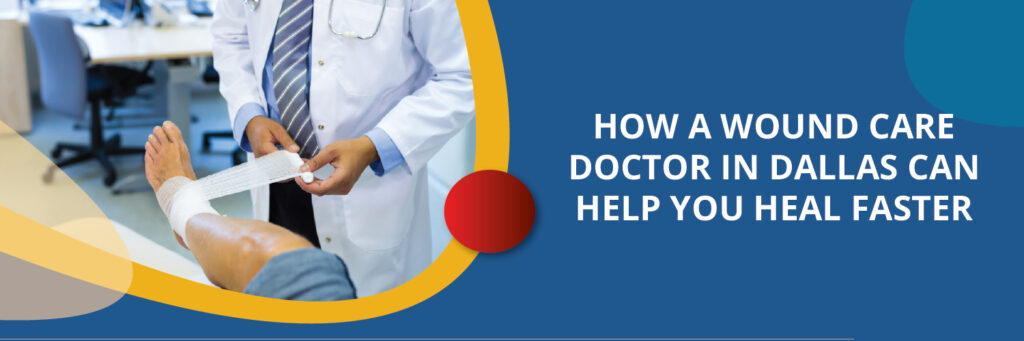
A wound care expert in Dallas is a medical expert skilled to care for wounds that are hard to recover or turn into recurring wounds. Not like usual surgeons, wound experts have upgraded skills and tools to deal with wounds resulting from diabetes, harm, operations, or improper flow. Their skill supports avoiding complications and developing speedier recovery by solving their core issues related to slow healing.
Why Do Some Wounds Heal Slowly?
Wounds typically heal on their own, but specific factors can prolong the healing process. Improper blood flow decreases oxygen and prevents the delivery of nutrients to the wound site, making recovery hard. Diseases, baseline health problems like metabolic disease or immune system disorders, consistent stress on the wound, and poor wound upkeep all contribute to gradual recovery. When these features are shown, wounds can turn into long-term, resulting in improved pain and risk of infection.
Initial Evaluation
When you meet a wound care expert, they carry out a complete assessment of your wound and entire wellness. This comes with discussing the wound’s capacity, thickness, and any indications of disease. Added tests, such as blood tests or vascular imaging, might be carried out to address the precise reasons for improper recovery. This comprehensive assessment enables the expert to make a customized treatment plan that meets your particular requirements.
Personalized Treatment Plans for Your Wound
After a medical evaluation, a wound care expert develops a personalized treatment plan. This may comes with advanced wound dressings that safeguard the place and upkeep the appropriate dampness stability, removal of dead tissue, and antibacterial drugs in case disease is found. Pressure therapy could be applied for wounds caused by improper flow, and dietary guidance may support the development of the entire recovery. Customized therapy provides the opportunity for speedier and fuller rehabilitation.
Advanced Technologies to Speed Healing
A wound doctor specialist in Dallas always makes use of upgraded therapies that move beyond quality treatments. Negative compression wound treatment applies negative pressure to the wound to take away extra moisture and promote tissue development. Breathing therapy under pressure increases oxygen levels in the blood, helping tissue restoration. Skin transplant or lab-engineered skin replacements might be applied for large or chronic wounds. These high-quality treatments support long-term wound healing more proactively.
Managing Underlying Health Conditions
A lot of wounds are related to persistent conditions such as blood sugar disorders or circulatory disorders. A wound care specialist collaborates with your significant care provider to supervise these root causes. Perfect balance of blood sugar, increased flow, as well as proper diet are super important to assist your wound repairs and avoid relapse. This extensive method ensures improved long-term results.
Preventing Infection and Other Complications
Injuries are at risk of diseases, which could deteriorate the state and result in extreme health hazards. Wound care experts supervise wounds thoroughly and deliver prompt care to prevent infections. They also instruct patients on correct wound cleanliness as well as bandage changes to prevent issues. Timely treatment decreases discomfort, improves healing time, and safeguards your entire wellness.
Common Types of Wounds Treated by Specialists
Wound care specialists treat a wide collection of wounds, including diabetic foot wounds, pressure ulcers, wounds related to veins and arterial leg wounds, surgical ulcers that are unable to heal, and trauma wounds like cuts and scalds. Every type needs particular treatment tactics, showcasing the significance of focused wound care services.
When to Consult a Wound Care Doctor in Dallas
In case your wound has not recovered within two to four weeks, developing its capacity, giving increased pain, or displaying indications of diseases such as redness, bulging, or discharge, it is time to visit a wound doctor specialist in Dallas. Prior treatment avoids discomfort and develops speedier recovery. Patients with ongoing health issues or restricted movement ability have to reflect on prior wound care meetings to prevent extreme issues.
How to Choose the Right Wound Care Specialist
Opting for the relevant wound care specialist comes with evaluating their accreditation, skills, and access to upgraded care. Patient feedback and references from your primary care specialist can assist your choice. A lot of hospitals and committed wound care centers offer professional, team-based care to address all aspects of wound restoration.
A wound doctor in Dallas provides professional medical checks, fully personalized treatment, and updated therapies that increase the time of recovery and avoid discomfort. In case you are dealing with a wound that will not heal, do not wait. Arrange a meeting with a wound care doctor now and make the first move to secure healing.