
Radiation therapy treatments are a super important section of contemporary oncology maintenance, giving a targeted approach to rejecting every cancer cells while decreasing harm to surrounding tissues. These services make use of high-energy radiotherapy, like proton therapy, to attack tumors. Unlike surgical procedures that dispose of tumors corporally, radiation therapy functions at a cellular level, disrupting the DNA of cancer cells to avoid from developing as well and increasing. Patients always look for these services when cancer is confined, making radiation therapy a proactive treatment either alone or in combination with surgery and systemic therapy.
How Radiation Therapy Works
Radiation treatment services count on advanced technology to offer an accurate amount of radiation to the affected area. Before starting treatment, patients experience comprehensive imaging tests, like CT scans, to highlight the precise place as well and dimensions of the tumor. This planning time makes sure that the radiation targets the tumor cells precisely while sparing healthy problems as much as possible. During treatment time, a machine called a linac directs the radiation ray to the tumor, and the procedure is generally non-invasive. Patients generally get treatment in various sessions over multiple weeks, allowing the radiation to slowly affect the cancer cells without challenging the anatomy.
Types of Radiation Treatment Services
There are multiple types of radiation treatment services available, each personalized to the patient’s requirements and the type of cancer. Surface-based beam radiation therapy is the most general form, where radiation is delivered from outer surface of the body directly to the tumor. Another type of internal radiation treatment, or intracavitary radiation, involves placing radiolabeled sources in or near the tumor. Pinpoint radiation therapy is an updated technique that offers greatly specialized radiation to tiny or inaccessible tumors, always in a single session. Every approach is chosen depending on factors such as tumor dimension, as well as patient wellness, making sure a individualized approach to cancer treatment.
Preparing for Your First Session
For every new patients, the concept of beginning radiation therapy services can feel stressful. Preparation begins with consultations with tumor specialist as well and radiation therapists, who go through the procedure and deal with any concerns. Patients may also experience therapy mapping sessions, which include placing and marking the treatment place to make sure precision. It is super important for patients to maintain their overall health, involving correct nutrition as well as rest, before starting treatment.
What to Expect During Treatment
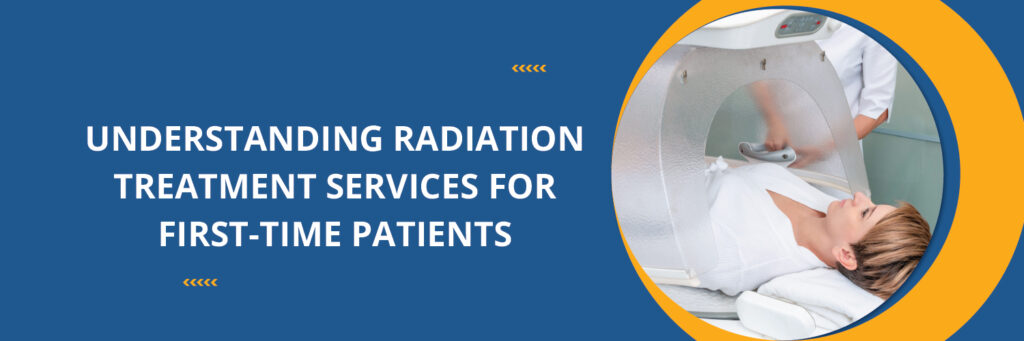
Radiation treatment is usually non-invasive, even though the experience may differ based on the treatment place and type of radiotherapy utilized. Patients reside on a treatment table while the machine offers radiation rays accurately to the tumor. Every session generally lasts only a few minutes, even though preparation and placement may take a long time. Radiation does not create patients radiolabeled, so it is safe to be around family and friends instantly after treatment. Medical teams closely supervise progress throughout the treatment, creating changes as required to develop efficiency and decrease adverse effects.
Managing Side Effects
Like any healthcare treatment, radiation treatment can have adverse effects, even though these differ by individual. General effects involve exhaustion, skin irritation as well as slight discomfort in the treated place. Some patients may undergo shifts in appetite or upset stomach, based on the radiation region. Radiation therapy services panels offer tactics to supervise these effects, involving skin care help, dietary suggestions and rest schedules. Clear communication with medical providers is super important, as adverse effects can always be mitigated with promptly treatments. Understanding that adverse effects are usually temporary can support patients stay positive throughout the treatment procedure.
The Role of Follow-Up Care
After finishing radiation therapy services, check-up care is super important to monitor healing as well as check the effectiveness of therapy. Patients usually have routine appointments with their surgical oncology team, which may involve imaging tests to verify tumor response. In some situations, additional treatments like systemic cancer treatment or immunotherapy may be suggested depending on the patient’s progress.
We all know that, radiation therapy services are a core of contemporary cancer care, offering an accurate as well and effective approach to treating lesions while saving some healthy tissue. For every single new patient knowing the procedure, right from planning and treatment sessions to supervising adverse effects and post treatment evaluation, can help to decrease stress and develop confidence in their therapy procedure. With a combo of updated technology, professional care as well as mental support, patients can deal with radiation treatment focus on healing.