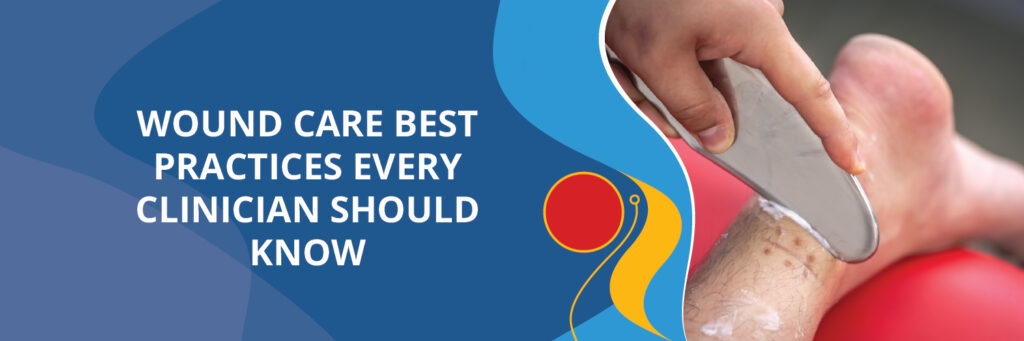
Wound care in the modern day is so much more than changing a dressing—it includes assessing the overall health of the patient, assessing the specific etiology of the wound, and employing the best techniques known to enhance recovery. For clinicians, understanding best practices for wound care enables a better opportunity for the patient not only to recover physically but also to minimize the chance of complications that may hinder recovery, like infection or delayed healing. Below are eight of the most vital principles of wound care that every clinician should begin to incorporate into their daily clinical care.
Comprehensive Wound Assessment
The clinician should be assessing the size, depth, location, and type of wound, in addition to observing the characteristics of the wound, such as levels of exudate, odor, and condition of the tissue. During wound assessment, documenting the appearance of the wound and its progression will help assess the healing stage, any expected progress of treatment strategies to date, and any changes in fragile health scenarios, which developmentally change their care plan. Equally as important to the wound assessment is understanding the context of the wound when possible, whether it is to do with trauma, pressure, diabetes, or vascular disease. Understanding this level of context may also be determined by a complete patient assessment regarding their history of nutrition and any co-morbidities, medications, etc., which could influence healing improvement.
Infection Prevention and Control
Clinicians must use strict aseptic technique while cleaning, dressing, and debriding the wound. The use of sterile gloves, disinfected instruments, and appropriate antimicrobial solution helps reduce cross-contamination. Should the wound indicate infection (i.e., increased redness, warmth, pus, pain, etc.), topical or systemic antibiotics can be started as indicated. Wound care clinicians must practice good hand hygiene before and after dressing changes. Further, patient and caregiver education about cleanliness and dressing changes helps guard against reinfection and encourages ongoing healing.
Effective Wound Cleansing Techniques
Clinicians should select cleansing agents that are appropriate for the type of wound and that the patient can tolerate. Normal saline is frequently opted for as the solution of choice because it irrigates contaminants from the wound without harming surrounding healthy tissue. The use of more aversive antiseptic agents, such as hydrogen peroxide or iodine, may slow wound healing with varying frequency. Cleansing should be gentle yet thorough, using either irrigation or sterile gauze. The clinician should cleanse the wound before all dressing changes so that the wound bed is as clean as possible, minimizing the risk for infection and enhancing granulation tissue, which is an essential phase of wound healing.
Choosing the Right Dressing
The selection of a proper wound dressing is both an art and a science. The optimal dressing maintains a moist environment while safeguarding the wound from external contaminants. A clinician must assess the exudate level, wound depth, and atrophic tissue. Dressings fall into several categories, including hydrocolloid, alginate, foam, hydrogel, and film, which all serve different purposes. Highly exudating wounds would benefit from absorbent dressings; dry wounds may need to be hydrated. A wound should be reassessed periodically (e.g., every 1–3 days) to take all changes into consideration through the healing phase. The correct dressing facilitates healing, contributes to comfort, and may minimize scarring.
Debridement: Promoting Healthy Tissue Growth
Debridement is a key step in order to remove necrotic or infected tissue and allow healthy cells to regenerate. There are many methods (surgical, enzymatic, autolytic, and mechanical) for debriding. The choice depends on wound characteristics and patient situations. Surgical is quick and effective when a wound is more serious, whereas autolytic is more appropriate for cases when urgency is not paramount. Reevaluating the wound regularly will ensure that only nonviable tissue is being removed and the healthy tissue is not unnecessarily compromised. Compelling debridement both limits infection and initiates new tissue formation, and gives the wound a clean base for other healing activities to occur.
The Last Words
By understanding the best practices in wound care, including assessment, infection prevention, cleansing, selecting appropriate dressing, debriding if necessary, managing moisture, nutrition, patient education, and emerging technologies, clinicians can improve the rate of healing and promote overall patient satisfaction. Clinicians must assess patients for malnutrition and address dietary changes or supplementation if necessary. Furthermore, managing chronic illness contributes to quicker healing. No two wounds are alike, but when commercial best practices and compassion are utilized, the clinician can facilitate healing, reduce complications, and enhance wound management practice. Wound care is not just about healing injuries; it’s about improving health, comfort, and confidence in every patient.