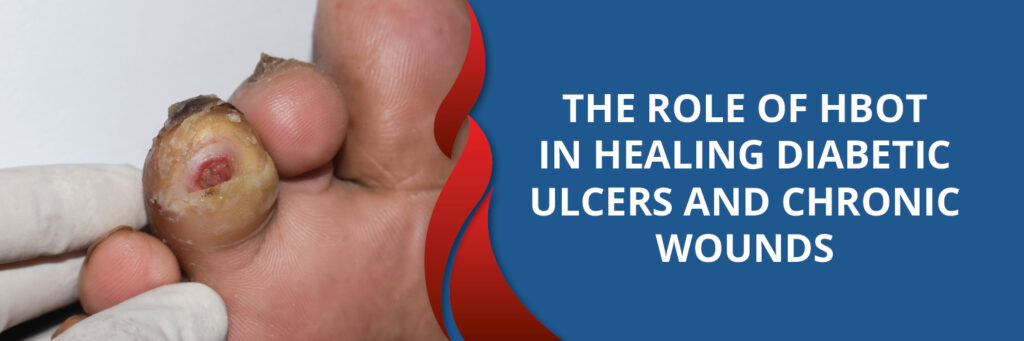
Diabetic foot ulcers, as well as persistent wounds, are one of the hardest conditions to treat, always persisting for months or even years without proper recovery. For individuals facing these non-healing wounds, conventional therapy approaches may not be sufficient. Luckily, high-pressure oxygen therapy has proven to be a viable option. Over the past few years, HBOT wound care services in Dallas have delivered fresh hope for those affected, looking for speedier and more productive skin regeneration.
What Are Diabetic Ulcers and Chronic Wounds?
Diabetic sores are skin breaks that usually occur on the feet of individuals with a blood sugar disorder because of nerve damage and decreased blood flow. These sores can turn into consistent issues if not taken care of properly. Persistent wounds point to any harm that does not improve healing, which comes with pressure injuries, stasis ulcers, and surgical cuts. These harms create a serious hazard, developing the risk of infection, inpatient care, and even limb removal.
Why Do These Wounds Fail to Heal?
The primary purpose of diabetic ulcers and long-term wounds that do not heal is improper blood circulation, which constrains the oxygen offered to the impacted cellular material. Oxygen is super important for every step of the tissue repair process. Additionally, fundamental conditions such as high blood sugar, improper nutrition, and septic conditions can slow down or fully disrupt the healing procedure. That is why patients in need of upgraded care are increasingly opting for HBOT wound care service for assistance.
What Is Hyperbaric Oxygen Therapy?
Hyperbaric Oxygen Therapy comes with breathing hundred percent therapeutic oxygen in a hyperbaric oxygen chamber. In this environment, the body can take up oxygen at a much improved rate than usual, enabling it to supply tissues that are without adequate oxygen. HBOT increases the oxygen levels in the blood, which develops the body’s organic recovery capacities and helps control infection.
How HBOT Promotes Wound Healing
HBOT performs by offering oxygen far into damaged tissues, promoting the development of new blood vascular channels, and motivating the manufacture of collagen, which is very important for skin care. It also supports decreasing inflammation and bulging, while developing immune cell activity to battle infection. This complicated recovery approach makes HBOT particularly proactive for continuous, chronic wounds.
Medical Evidence Supporting HBOT
Clinical studies have presented that HBOT notably improves recovery results for diabetic open sores on the foot and continuous wounds. Studies released in publications such as Diabetes Care state that clients who received HBOT had a higher chance of full recovery and were less likely to need limb loss. Depending on this proof, HBOT wound care services are now extensively suggested by wound care experts for qualified patients.
Conditions Treated with HBOT
Hyperbaric treatment is not restricted to diabetic foot wounds. It is also authorized for a collection of wound-based and infection-related conditions like chronic bone infection, radiation effects, skin grafts prone to failure, and crush injuries. Patients with these complicated medical problems can gain increasingly from the upgraded treatments provided by HBOT wound care services.
What to Expect from HBOT Treatment
During an HBOT time, patients reside within a clear chamber where the normal pressure is developed, and hundred percent oxygen is supplied. Sessions usually last between sixty and ninety minutes and are carried out daily for a few weeks. The process is without pain and minimally invasive, and many patients can become calm or even asleep during the time of treatment.
Why Choose HBOT Wound Care Services in Dallas?
Dallas is a medical center, providing a few of the most upgraded wound care facilities in the area. By opting for HBOT wound care services, patients get access to seasoned doctors, challenging wound care panels, and the best tool. Local accessibility also ensures comfort and continuity, both of which are necessary for accomplishing results in long-term therapy plans.
Insurance and Accessibility
One of the advantages of getting HBOT in Dallas is that most of the regional centers accept health insurance, which comes with Medicare, for authorized conditions such as diabetic sores. Prior to starting therapy, patients generally experience a complete verification to ensure they are eligible. This move supports smoothing the permitting process and ensures the treatment is medically important.
For individuals affected by diabetic ulcers, HBOT shows a helpful and proven solution. It not only enhances the healing procedure but also decreases complexities and improves the entire standard of life. With access to advanced HBOT treatment services in Dallas, patients now have the chance to supervise their recovery journey and prevent extreme complications such as infection.